
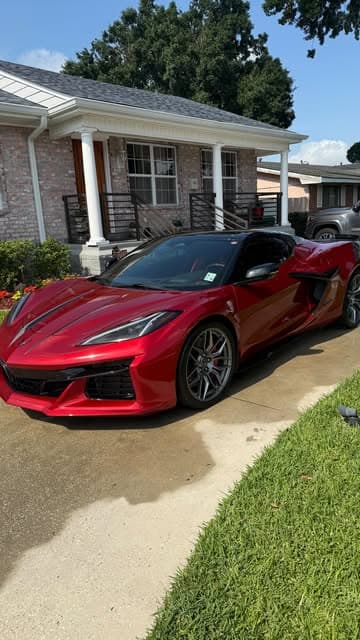
Most people either overthink this or ignore it entirely. The honest answer depends on where the car sleeps and what you want from it, and it is a shorter list than the internet suggests.
A workable schedule
- Every two to three weeks: a proper hand wash. This is the single thing that determines how your paint ages. Everything else is downstream of it.
- Every three to six months: a decontamination wash with iron removal and a clay treatment, plus fresh protection if you are on wax or sealant rather than a coating.
- Once or twice a year: a full interior detail. More if you carry kids, dogs or job-site dust.
- Every three to five years, or once: paint correction. This is a reset, not a routine. Done right and maintained, you should not need it often.
- Once: ceramic coating, then annual inspection. The point of a coating is that it replaces the reapplication cycle.
What changes the schedule
A car garaged overnight and driven to an office ages far slower than one parked on the street under a live oak. Trees mean sap and bird droppings, which are the two things that cause permanent etching fastest. If you park under one, the wash interval matters more than the product you use.
Dark paint shows everything and rewards frequency. Silver and white hide swirling almost completely, which is why silver cars often go years before anyone notices the finish has gone flat.
If you only do one thing: stop using automatic car washes. A single pass through a brush wash can undo a correction you paid for. Touchless is a compromise; a proper hand wash is the only thing that maintains a finish rather than slowly destroying it.
Interior is on its own clock
Interiors degrade from use, not weather, so the schedule follows your life rather than the seasons. In this humidity, the one thing worth staying ahead of is moisture — a spill left in a carpet in July will smell within a week, and once mildew is in the padding it is an extraction job rather than a clean.